




Thermage FLX Thermage FLX Treatment in Seoul
Harnessing radiofrequency energy to deliver noticeable skin tightening and lifting,
even after a single treatment.
Experience a visible improvement in skin firmness with BAUS Thermage FLX, where one treatment can make a difference.
Thermage FLX is a non-invasive skin-tightening treatment that
uses radiofrequency (RF) energy to
deliver heat deep into the dermis while protecting the epidermis.
By stimulating collagen in the dermis,
the treatment induces immediate collagen contraction while also encouraging new collagen production.
Even after a single treatment, visible improvements in lifting and skin firmness can be experienced.
Over time, collagen remodelling continues, helping soften fine lines and improve skin texture,
leaving the skin looking firmer and smoother.

What can Thermage FLX help improve?

- Collagen regeneration

- Fine lines and wrinkles
- Skin lifting and firmness

Personalised solutions for different treatment areas
By selecting the appropriate treatment tip according to the facial area and individual skin condition,
Thermage FLX addresses concerns ranging from superficial to deeper wrinkles.
-
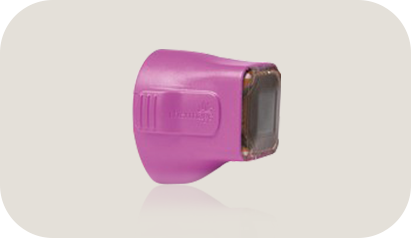 Face Tip
Face tip
Designed for the entire face, including:
forehead lines, frown lines, lines around the mouth -
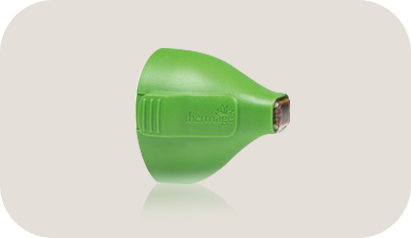 Eye Tip
Eye tip
Specifically designed for delicate areas around the eyes, including:
eye wrinkles, under-eye area, eyelids
Understanding the anti-ageing mechanism of Thermage FLX
-
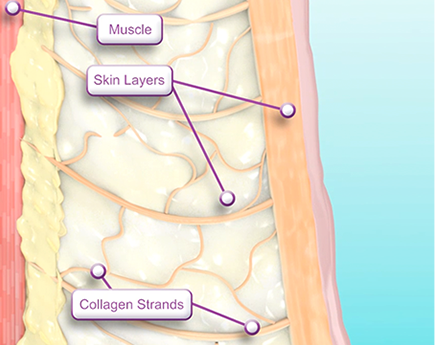
STEP 01 Before treatment
Collagen deterioration associated with ageing
As the skin ages, collagen within the skin becomes damaged, resulting in a gradual loss of firmness.
-
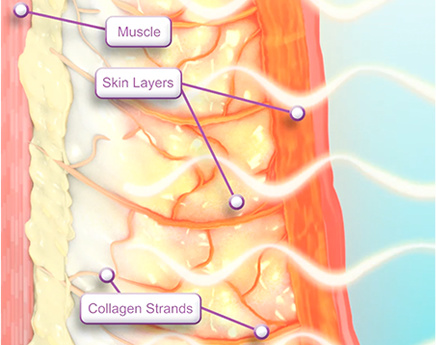
STEP 02 During Thermage treatment
Stimulation of the dermis and subcutaneous fat through radiofrequency energy
Radiofrequency energy delivers heat deep into the skin, causing existing collagen fibres to contract and stimulating new collagen production.
-
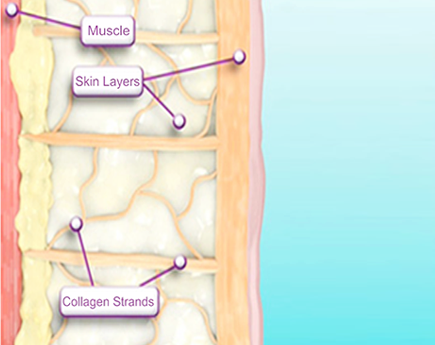
STEP 03 After treatment
Firmer-looking skin through collagen remodelling
As collagen is remodelled, fine lines improve and firmness is restored to sagging skin.
Precautions after Thermage FLX
- It is advisable to avoid smoking and alcohol for approximately one week after treatment.
- Avoid touching or handling the treated areas as much as possible.
- Avoid saunas, jjimjilbangs and strenuous exercise that causes excessive sweating for one week after treatment.
- Apply sufficient moisturiser to the treated areas.
- Apply sunscreen thoroughly whenever going outdoors.
BAUS's Thermage FLX approach combines precise diagnosis, comfort-focused energy delivery and complementary treatment combinations.
Our approach is designed to support the skin's natural firmness through a comfortable and carefully tailored Better Aging lifting experience.
-
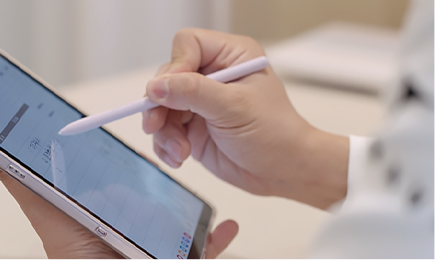 Customize
Precise analysis, personalised treatment planning
Through customised treatment planning based on QuantifiCare 3D diagnostics,
we carefully assess skin thickness and firmness
to determine the appropriate energy settings for each individual. -
 Comfortable
Enhancing firmness while minimising discomfort
Our customised cooling and anaesthesia systems
help reduce treatment discomfort
while maintaining the treatment experience. -
 Combination
A comprehensive approach to firmness, skin texture and collagen
Through BAUS's combination lifting approach,
Thermage can be incorporated following Sofwave or Ultherapy
to address skin firmness, texture and collagen care
through a multi-dimensional treatment plan.
(Q&A)
Frequently Asked Questions
- Q1. How does Thermage FLX work?
- Thermage FLX is a non-invasive radiofrequency treatment that protects the epidermis while delivering heat to the dermis with RF energy, encouraging collagen contraction and new collagen production. In Korea, it is approved by the MFDS as a device (general-purpose electrosurgical unit) that coagulates tissue with radiofrequency current to treat wrinkles around the eyes and on the face non-invasively. BAUS Clinic uses this device in consultations for wrinkles around the eyes and on the face and for skin firmness, and suitability is decided after consultation.
- Q2. How are the Thermage face tip and eye tip different?
- The face tip is used across the whole face, including forehead lines, frown lines and lines around the mouth, while the eye tip is used only around the eyes, for wrinkles around the eyes and the eyelids. Under U.S. FDA 510(k), Thermage FLX is also cleared for non-invasive treatment of wrinkles around the eyes, including the upper and lower eyelids, and facial wrinkles. Which tip to use is decided by looking at the area and skin condition.
- Q3. When do Thermage results appear?
- Some people feel a tightening sensation right after treatment, and changes then appear gradually as collagen remodelling continues. A study that treated the eye area once with an earlier-generation device (ThermaCool TC) and followed patients for six months also observed additional tightening over time after the initial tightening. The degree of change and how long it lasts vary from person to person.
- Q4. What precautions should I take after Thermage?
- For about a week after treatment, it is best to avoid smoking, drinking, saunas and Korean bathhouses (jjimjilbang), and strenuous exercise that makes you sweat heavily. Try not to touch the treated area, apply plenty of moisturiser, and apply sunscreen thoroughly when going outdoors.
- Q5. Is Thermage painful, or are there side effects?
- You may feel intense heat and pain during treatment, so BAUS Clinic uses cooling and anaesthesia together. Redness, swelling or pain may occur afterwards and are mostly temporary; in studies of an earlier-generation device (ThermaCool TC), adverse reactions such as blisters or burns were rarely reported. These can vary with your skin condition, so they are checked at consultation.
References
- Thermage FLX System, Import Approval No. 18-245, Medical Device Product Approval Information (search approval no. 18-245 on the MFDS Medical Device Information Portal)
- 510(k) Summary K170758 Thermage FLX System and Accessories
- Multicenter study of noninvasive radiofrequency for periorbital tissue tightening
