




Wrinkle Treatment Deep Wrinkle Treatment in Seoul
Better Aging that awakens the skin's natural regenerative power
rather than creating artificial volume.
Turn back the signs of time, naturally, at BAUS Clinic.
BAUS Clinic's autologous dermal regeneration-based wrinkle treatment is
a premium anti-ageing procedure designed to activate the skin's natural healing processes
and support the regeneration of damaged tissue.
Regenerative components derived from the dermis are injected
into targeted areas of concern, stimulating collagen production and promoting
cellular regeneration to help restore the skin's natural firmness.
BAUS's autologous dermal regeneration-based wrinkle treatment
uses your own tissue rather than artificial volume enhancement to
restore skin firmness and achieve natural-looking volume improvement.
How does autologous dermal regeneration-based wrinkle treatment work?
-
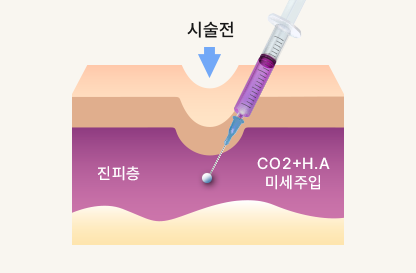 STEP 01
Precise, alternating injections of carbon dioxide gas and hyaluronic acid
into the same targeted area.
(0.001 cc automated device) -
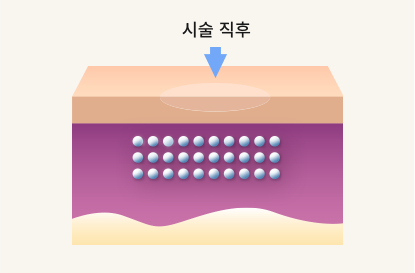 STEP 02
Physical, chemical and biological reactions occur
simultaneously,
stimulating collagen production and dermal regeneration. -
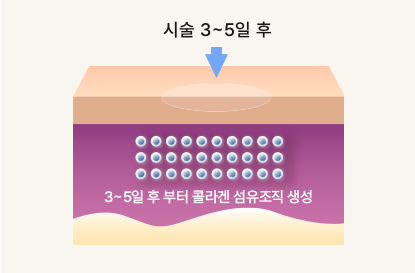 STEP 03
Ultimately,
wrinkles and scars are improved through
autologous dermal regeneration.
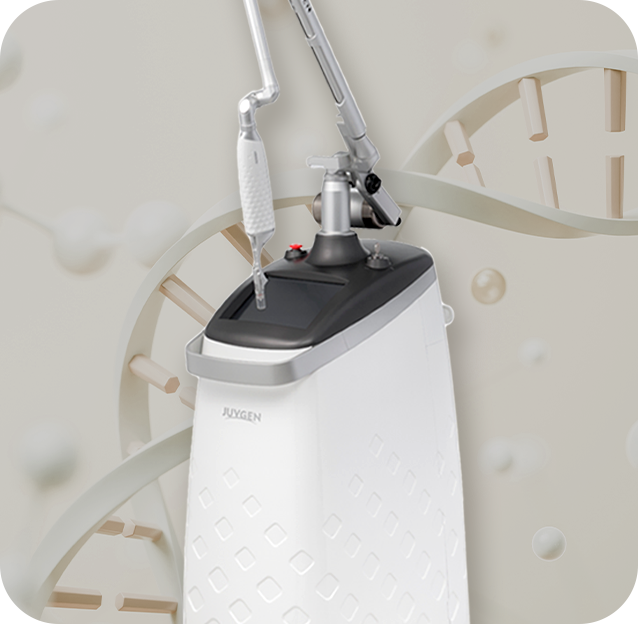
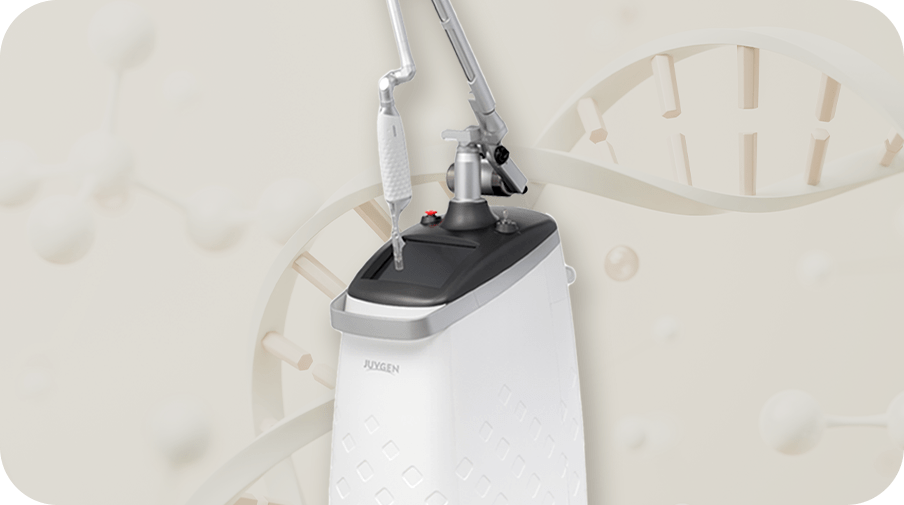
JuvenGen:
Maximising the effects of autologous dermal regeneration
#CollagenProduction #ImprovedSkinFirmness
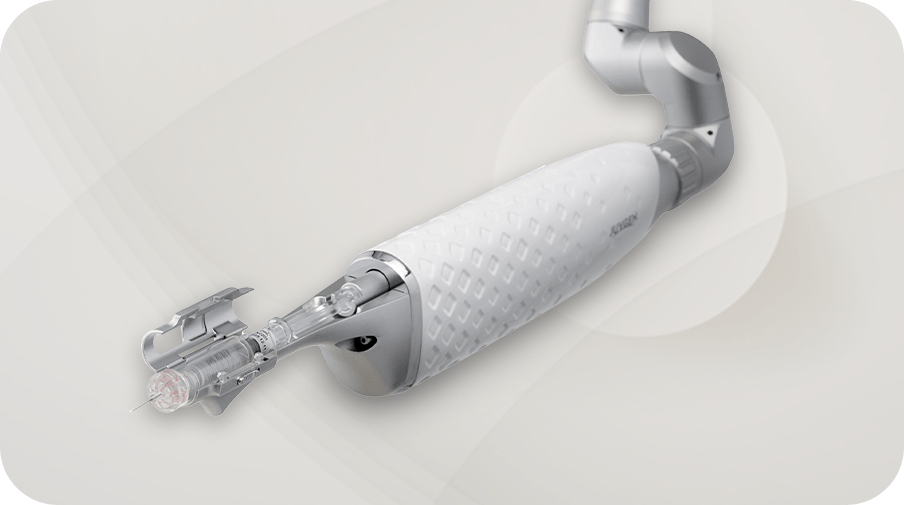
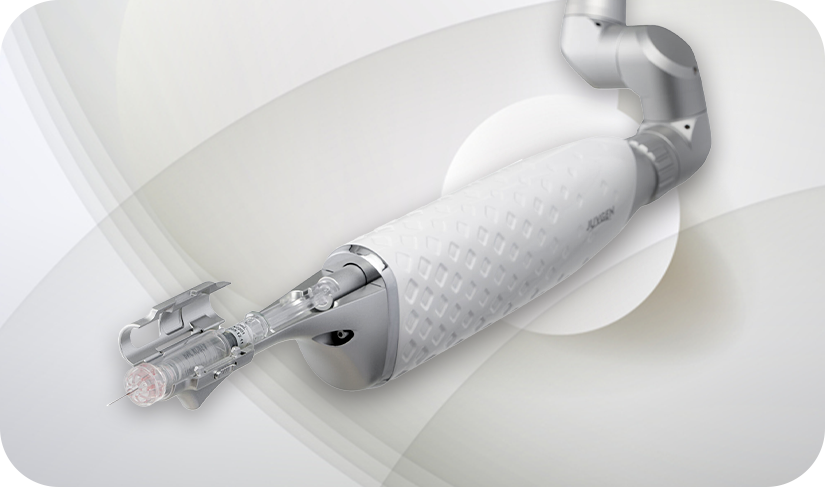
JuvenGen is a precision skin regeneration treatment that uses a handpiece injection device to
deliver extremely small amounts (approximately 0.001–0.003 cc) of hyaluronic acid and carbon dioxide gas
in precise, alternating injections into the same targeted area.
The two injected components induce physical, chemical and biological reactions,
stimulating collagen production and
promoting dermal regeneration to improve wrinkles and scars.
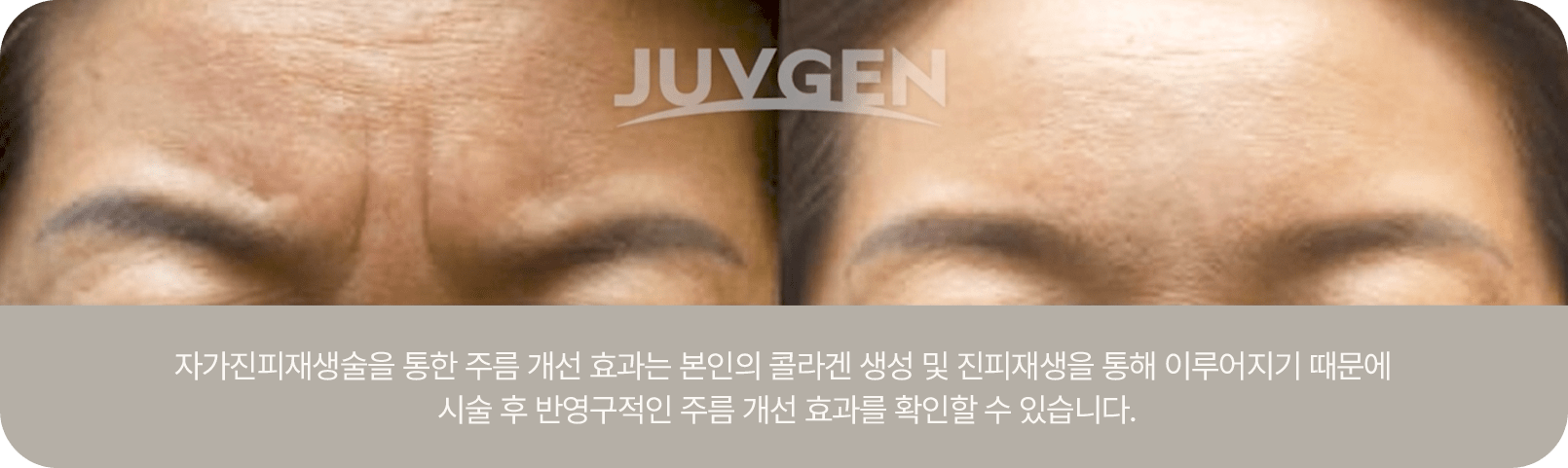
Semi-Permanent Effect
Significant wrinkle improvement,
even after just one session.
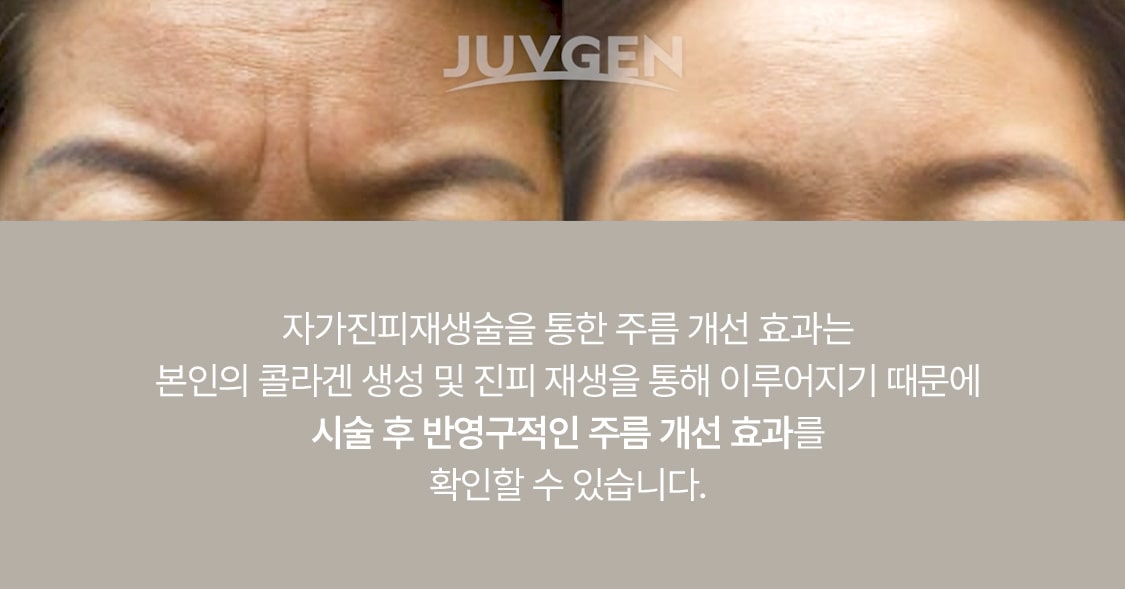
(Effective) Deep & Difficult Wrinkle
Effective for
deep and difficult-to-treat wrinkles
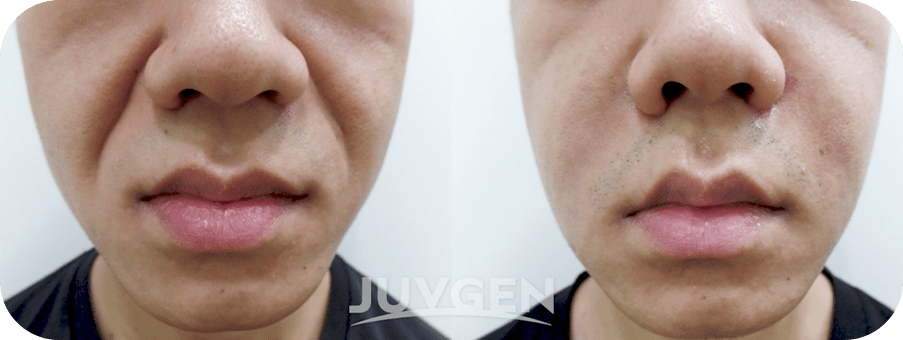
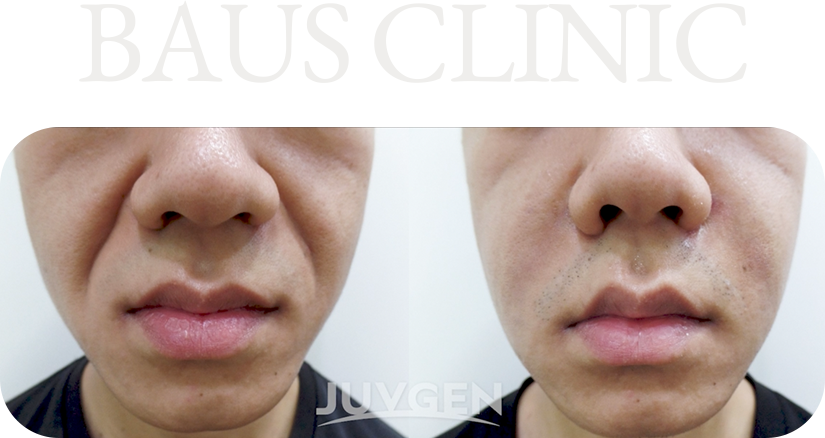
Beyond simply improving wrinkles,
JuvenGen also addresses strong adhesions deeply rooted within the skin.
JuvenGen uses the injected CO₂ gas to separate tissue adhesions and
stimulate natural collagen regeneration,
effectively improving even prominent deep wrinkles and areas that are difficult to treat.
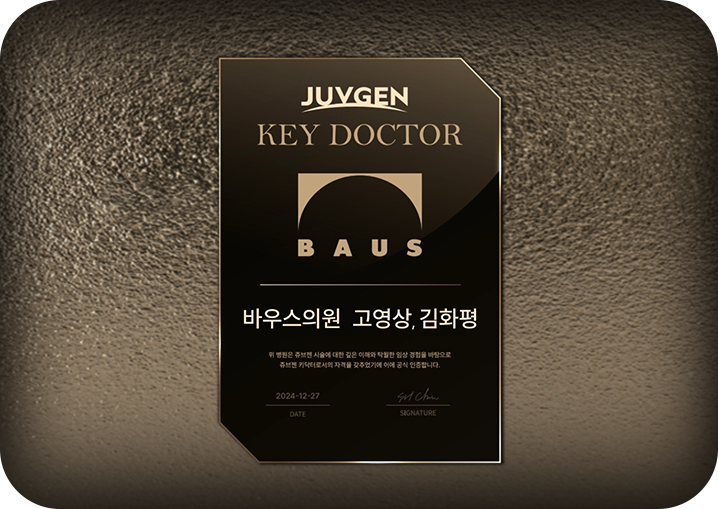
Precision that makes a difference in results,
a clinic where JuvenGen is performed by designated Key Doctors
Dr. Go Young-sang and Dr. Kim Hwa-pyeong, Medical Directors of BAUS Clinic, have been officially selected as JuvenGen Key Doctors.
JuvenGen is not simply a matter of injecting the treatment.
It requires a customised approach that takes each individual's skin structure into account.
The precise placement, injection volume and depth must all work together
to achieve natural-looking and stable results.
At Baus Clinic, our understanding of the autologous dermal regeneration mechanism underpins our approach as JuvenGen Key Doctors,
enabling us to provide treatments with a focus on greater safety and a high standard of clinical precision.
A meticulously designed treatment system,
available exclusively at BAUS.
-
01
Collagen & Elastin Strengthening
Treatment CombinedCombined Collagen & Elastin
Strengthening TreatmentsFocuses on
restoring the skin's underlying tissue to
help maintain natural-looking firmness and volume over time. -
02
A Natural Result
Natural-Looking Regeneration,
Unlike FillersAutologous dermal regeneration is combined with
injectable treatments using PRF, PLLA and growth factors
to maximise improvements in skin firmness and wrinkles. -
03
Customized Infusion Techniques
Customised Injection
TechniquesCarefully tailored injection techniques
complement each individual's facial structure, creating natural-looking
volume and firmness.
(Q&A)
Frequently Asked Questions
- Q1. What kind of wrinkle treatment is autologous dermal regeneration?
- Autologous dermal regeneration is a wrinkle treatment that injects tiny amounts of hyaluronic acid and carbon dioxide gas to encourage your own tissue to produce collagen and regenerate the dermis. BAUS Clinic performs it with Juvgen, and the aim is to use the skin's own recovery response rather than artificially adding volume.
- Q2. How is autologous dermal regeneration different from fillers?
- Fillers add volume to hollow areas with the injected material, whereas autologous dermal regeneration uses tiny injections to stimulate your own tissue's regenerative response. The focus is therefore on collagen production and dermal recovery rather than the amount filled. Which approach suits you is decided at consultation, depending on the depth and cause of the wrinkles.
- Q3. How does autologous dermal regeneration work on deep wrinkles?
- The aim is to use injected carbon dioxide gas to separate the tissue that is firmly attached beneath a deep wrinkle. Very small amounts of the ingredients are then injected repeatedly into the space created, and this response encourages collagen production. Because collagen forms over time, when changes become visible varies from person to person.
- Q4. Which wrinkles is autologous dermal regeneration used for?
- The main targets are deep wrinkles where the tissue beneath the skin has become tethered, and it is used for frown lines, forehead lines, nasolabial folds and depressed scars. Depending on your skin, it may be combined with PRF, PLLA or growth factor injections, and whether to combine them is decided after consultation.
- Q5. Are there side effects or pain after autologous dermal regeneration?
- As this is an injection treatment, redness, swelling, bruising or pain may occur at the treated area. These are mostly temporary but can vary with your skin condition and the treated area, so it is best to check at your consultation. If symptoms persist or worsen, please visit the clinic to be seen.
